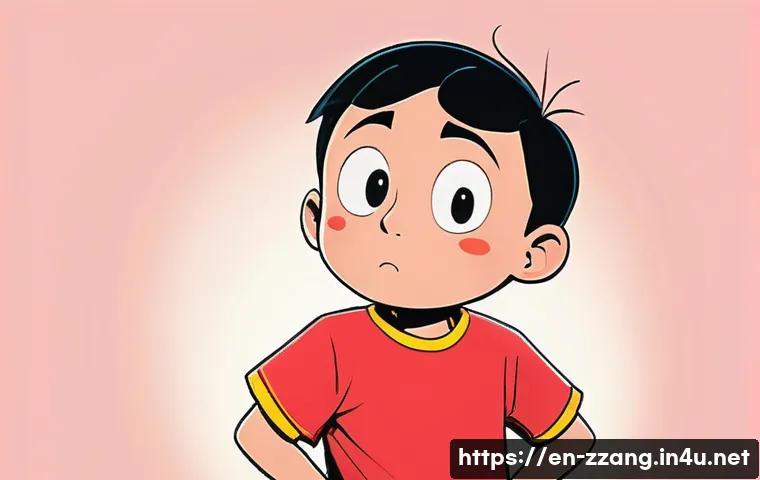
Have you ever wondered what goes on behind the scenes of the beloved animated series Shin Chan? From the quirky character designs to the unique storytelling style, the creation process is filled with fascinating details that many fans might not know.
The journey of bringing this mischievous little boy to life involved a blend of creativity, cultural nuances, and a dedicated team of animators. It’s not just about making people laugh; it’s about crafting a world that resonates across generations.
If you’re curious about the secrets and challenges faced during production, below you’ll find an in-depth look that’s sure to surprise you. Let’s dive in and uncover the fascinating backstory together!
The Art of Character Creation
From Sketch to Screen: Designing Shin Chan
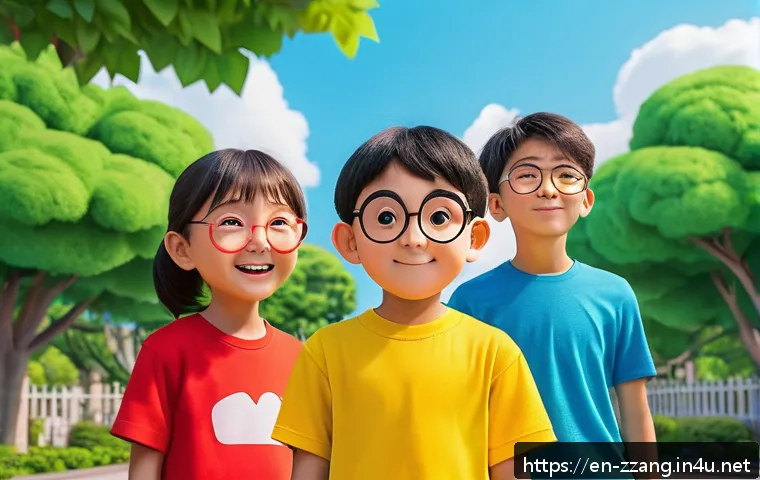
Creating Shin Chan’s iconic look wasn’t just about drawing a cute kid; it was a deliberate process to capture his mischievous spirit visually. The character designs started with rough sketches that emphasized exaggerated facial expressions and body language.
The animators aimed to reflect Shin Chan’s playful yet cheeky personality through simple lines and bold shapes, making him instantly recognizable. Interestingly, the somewhat crude and naive style was intentional—it mirrors the childlike innocence and unpredictability of the character, rather than polished perfection.
This approach allowed for more expressive animation, which is crucial for the comedic timing that drives the show’s humor.
Balancing Simplicity with Emotional Depth
While Shin Chan’s design appears straightforward, achieving emotional expressiveness within that simplicity took a lot of trial and error. The animators had to find ways to convey a wide range of feelings using minimalistic features—like shifting eyebrows or subtle mouth movements.
This subtlety is what makes the character relatable; he’s not just a cartoon but a reflection of a real kid’s mood swings and antics. The design philosophy here teaches a valuable lesson: complexity isn’t always necessary to evoke strong emotions in an audience, and sometimes less truly is more.
Character Ensemble: Supporting Cast’s Unique Flare
Shin Chan isn’t a one-man show. Each supporting character, from his parents to friends and teachers, was crafted with distinct visual traits that complement the main character’s energy.
For example, the mother’s sharp features highlight her no-nonsense attitude, while the best friend’s rounder shapes evoke warmth and loyalty. This thoughtful contrast creates a dynamic visual world where personalities clash and harmonize naturally, enriching the storytelling without overwhelming the viewer.
Innovative Storytelling Techniques Behind the Humor
Breaking Traditional Narrative Structures
Unlike many animated series that follow a strict storyline, Shin Chan episodes often feel like snapshots of daily life filled with spontaneous humor. The creators deliberately avoided rigid plots to maintain a fresh, unpredictable vibe.
This episodic nature allows the show to explore a variety of social situations and cultural quirks without being confined to a continuous storyline. The result is a series that feels both familiar and surprising, engaging viewers who appreciate humor grounded in everyday absurdities.
Layered Comedy: For Kids and Adults Alike
One of the show’s clever secrets is its dual-layered humor. While children enjoy the slapstick and silly antics, adults can pick up on subtle social satire and cultural references sprinkled throughout the episodes.
This multi-tiered comedic approach broadens the audience and deepens engagement, making it a show that families can watch together and find something to laugh about on different levels.
Improvisation and Script Flexibility
The writing process embraced flexibility to keep the humor spontaneous. Voice actors were often encouraged to improvise lines or add personal touches, which sometimes inspired rewrites or animation tweaks.
This collaborative atmosphere contributed to the show’s organic feel, making the dialogue more natural and the jokes hit harder. It’s a reminder of how creativity flourishes when teams trust each other and allow room for playful experimentation.
Behind the Scenes: Animation and Production Workflow
Team Dynamics and Division of Labor
Producing Shin Chan required a well-coordinated team working seamlessly across various departments—storyboarding, voice acting, animation, editing, and sound design.
Each team member brought specialized skills, but the collaboration was key. For instance, storyboard artists worked closely with writers to visualize jokes effectively, while animators adjusted timing based on voice performances.
This integration ensured that every element—from visuals to sound—contributed cohesively to the storytelling.
Technology Meets Tradition
The production blended traditional hand-drawn animation with modern digital tools to achieve efficiency without losing charm. Early episodes were primarily hand-drawn, giving them a raw, authentic feel.
Over time, digital techniques were introduced to speed up coloring and editing, but the core artistic style remained intact. This hybrid approach allowed the team to meet tight deadlines while preserving the show’s signature look.
Managing Tight Deadlines and Budget Constraints
Like many animated series, Shin Chan faced the constant challenge of balancing quality with schedule and budget limitations. The team developed streamlined workflows and prioritized key scenes to ensure the humor and visual appeal weren’t compromised.
Sometimes, this meant creative shortcuts, such as reusing background art or simplifying certain animations, but these decisions were always made with the audience’s enjoyment in mind.
The ability to adapt under pressure is a testament to the production team’s professionalism and passion.
Global Appeal: Cultural Nuances and Localization
Adapting Humor for International Audiences
One fascinating aspect of Shin Chan’s production is how the show’s culturally specific humor was adapted for global viewers. Localization teams worked diligently to translate jokes and references in ways that retained their comedic impact while respecting local sensibilities.
This often involved rewriting dialogues or swapping out certain cultural elements to make scenes relatable. The process highlights the delicate balance between preserving the original flavor and making content accessible worldwide.
Maintaining Character Integrity Across Languages
Localization didn’t just focus on words but also on maintaining the characters’ personalities. Voice actors in different countries studied Shin Chan’s mannerisms and tone carefully to deliver performances that felt authentic.
This effort ensured that the mischievous charm and emotional nuances of the characters weren’t lost in translation, helping the show build a loyal fanbase across continents.
Impact of Cultural Differences on Storytelling
Some storylines or jokes that resonated deeply with Japanese audiences needed tweaking or were sometimes omitted in foreign versions due to cultural differences.
For example, certain social commentaries or school-related humor had to be adjusted to fit different education systems and societal norms. These modifications demonstrate how storytelling is not a one-size-fits-all but a fluid process that evolves with its audience.
Music and Sound Design: Setting the Tone
Creating a Memorable Soundtrack
The music of Shin Chan plays a subtle but powerful role in shaping the series’ mood. Composers crafted playful, upbeat tunes that echo the character’s lively energy.
The recurring themes became instantly recognizable, helping to set expectations for humor and mischief. What’s impressive is how the soundtrack balances lightheartedness with moments of emotional depth, enhancing both comedic and tender scenes.
Sound Effects as a Comedic Tool
Beyond music, sound effects are cleverly used to amplify jokes and actions. From exaggerated footsteps to quirky background noises, these sounds contribute to the overall comic timing.
The sound team’s creativity added an extra layer of engagement, making scenes more immersive and funny without relying solely on visual gags.
Voice Acting: Bringing Characters to Life
Voice actors are the unsung heroes behind Shin Chan’s charm. Their ability to capture the nuances of each character’s voice and inflection adds authenticity and humor.
Many actors became closely associated with their roles, often improvising or adding unique touches that enriched the dialogue. This human element is crucial in making the animated world feel alive and relatable.
Fan Engagement and Legacy Building
Interactive Experiences and Merchandise
Shin Chan’s popularity extends beyond the screen through a variety of fan engagement strategies. Interactive websites, games, and merchandise allow fans to immerse themselves in the world of the show.
These extensions help maintain interest and build a community around the character, turning casual viewers into loyal followers. From toys to apparel, the merchandising strategy is smartly integrated to complement the show’s playful brand.
Responding to Audience Feedback
The production team actively listens to fan feedback, which influences future episodes and character development. This responsiveness creates a sense of connection and investment among viewers.
Fans feel heard, and their suggestions sometimes inspire new storylines or character traits. It’s a dynamic relationship that keeps the series fresh and relevant.
Preserving the Show’s Spirit Over Time
Maintaining consistency while evolving with changing audience tastes is a tricky balance. The creators have managed to keep Shin Chan’s core spirit intact—his mischievousness and warmth—while updating the style and content to stay current.
This adaptability is key to the show’s longevity and cross-generational appeal.
Production Overview: Key Elements at a Glance
| Aspect | Details | Impact |
|---|---|---|
| Character Design | Simple, expressive sketches emphasizing personality over realism | Enhanced comedic timing and emotional relatability |
| Storytelling Style | Loose episodic format with layered humor for all ages | Wide audience appeal and fresh narrative flow |
| Animation Technique | Blend of hand-drawn and digital tools | Efficient production while retaining unique style |
| Localization | Adaptation of humor and dialogue for global markets | Preserved character integrity and broadened fanbase |
| Sound Design | Playful music and creative sound effects | Enhanced mood and comedic impact |
| Fan Engagement | Merchandise, interactive content, and feedback integration | Strong community building and sustained interest |
Conclusion
Shin Chan’s enduring charm comes from its clever blend of simple yet expressive character design, innovative storytelling, and relatable humor. The show’s success lies in its ability to connect with audiences of all ages across cultures while maintaining its playful spirit. Behind the scenes, a dedicated team’s creativity and adaptability have ensured its lasting appeal. It’s a wonderful example of how thoughtful animation and storytelling can create a timeless classic.
Useful Information to Remember
1. Character design focuses on simplicity and exaggerated expressions to convey personality effectively.
2. The storytelling style is flexible and episodic, allowing humor to arise naturally from everyday situations.
3. Combining traditional hand-drawn techniques with digital tools helps maintain artistic integrity while improving efficiency.
4. Localization involves careful adaptation of humor and dialogue to resonate with international audiences without losing character essence.
5. Fan engagement through merchandise, interactive content, and feedback keeps the community vibrant and invested.
Key Takeaways
Shin Chan’s success demonstrates the power of balancing simplicity with emotional depth in character design and storytelling. Its flexible narrative approach and layered humor appeal to diverse viewers, while thoughtful localization expands its global reach. The production’s blend of traditional and modern animation techniques, combined with a collaborative creative process, ensures quality under tight deadlines. Lastly, active fan engagement plays a vital role in sustaining the show’s popularity and legacy over time.
Frequently Asked Questions (FAQ) 📖
Q: What inspired the unique character design and animation style of Shin Chan?
A: The character design of Shin Chan is intentionally quirky and simplistic, which sets it apart from more polished animations. The creator wanted the visuals to reflect the mischievous and carefree spirit of the main character.
This raw and somewhat exaggerated style helps emphasize humor and emotion in a way that feels authentic and approachable. The animation team often balances this simplicity with expressive movements, making the characters lively without needing overly complex details.
This approach not only gives Shin Chan its distinctive charm but also allows for faster production cycles, which is crucial for a long-running series.
Q: How does Shin Chan manage to appeal to such a wide range of audiences, from kids to adults?
A: Shin Chan’s storytelling is clever in that it operates on multiple levels. For kids, the show is entertaining because of its slapstick humor and the antics of a mischievous child.
For adults, there’s a layer of social satire and subtle cultural commentary that resonates deeply. The writers often include jokes and situations that reflect everyday family dynamics, societal quirks, and even current events, but in a lighthearted way.
This dual-layered narrative style creates a connection across generations, making it a show that parents and children can enjoy together, each finding something meaningful or funny from their own perspective.
Q: What challenges did the production team face when creating episodes of Shin Chan?
A: One of the biggest challenges was maintaining a balance between humor and sensitivity, as some of Shin Chan’s jokes push boundaries. The team had to carefully navigate cultural norms and broadcast standards to avoid offending viewers while still keeping the show fresh and edgy.
Additionally, because the series has been running for many years, consistency in character portrayal and storyline continuity required close collaboration between writers, animators, and directors.
Time constraints also played a role; producing episodes with tight deadlines meant the team had to be highly efficient without sacrificing quality, which often called for creative problem-solving and adaptability.