If you’ve ever found yourself captivated by charming characters who bring laughter and life to everyday moments, then you’re in for a treat. Shin Chan and his quirky friends have been winning hearts with their unique personalities and hilarious adventures, making them a timeless favorite in animation.
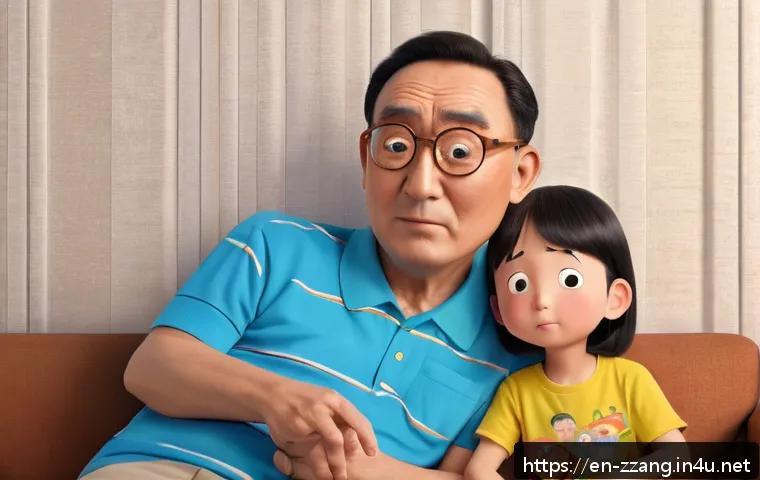
As pop culture continues to evolve, these characters remain relevant, reflecting the joys and challenges of growing up in a refreshingly honest way. Whether you’re a longtime fan or just discovering their world, understanding what makes each character tick adds a whole new layer of enjoyment.
Let’s dive into the vibrant world of Shin Chan and friends and explore what makes their stories so unforgettable.
The Heart of Shin Chan: A Spirited Child with Endless Curiosity
Unraveling Shin Chan’s Mischievous Charm
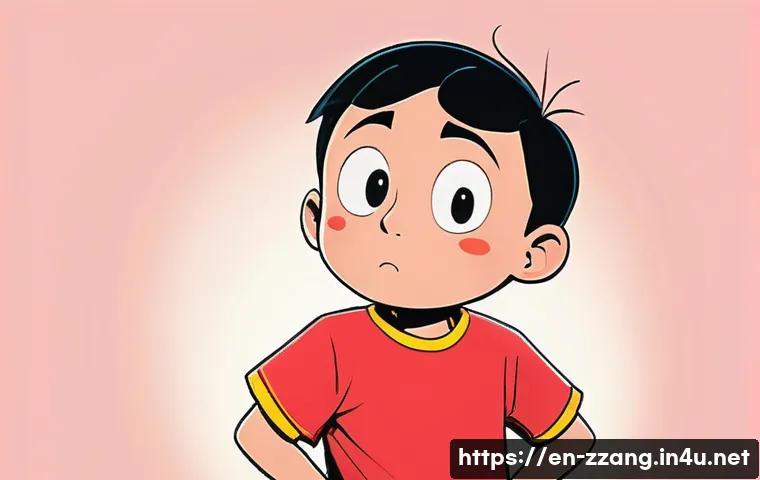
Shin Chan’s personality is a delightful blend of innocence and cheekiness that instantly grabs your attention. From his impromptu dance moves to his hilarious misunderstandings of adult conversations, his mischievous nature feels incredibly relatable, especially if you’ve ever been a curious child or dealt with one.
What’s fascinating is how his antics often serve as a mirror to family dynamics, reflecting everyday frustrations and joys through a comical lens. Watching him, you can’t help but smile at how his unpredictable behavior shakes up the mundane, reminding us all of the wild, carefree spirit we sometimes forget we had.
Why Shin Chan’s Naivety Feels So Genuine
There’s a raw authenticity in Shin Chan’s naivety that sets him apart from other animated kids. His straightforward approach to problems and blunt honesty often lead to awkward but hilarious situations, making him a character you root for.
It’s this honesty that makes the humor feel grounded rather than forced. When he asks questions adults tend to avoid or blur, it pushes viewers to reconsider their own perspectives.
Having seen children in real life, I’ve noticed how Shin Chan captures their genuine thought process, filled with curiosity and a lack of pretense, which adds a refreshing layer to the storytelling.
Shin Chan’s Impact on Pop Culture and Beyond
Over the years, Shin Chan’s influence has spread far beyond just being a cartoon character. His quirky expressions and iconic catchphrases have seeped into everyday conversations and social media memes, showing how a simple animated boy can shape cultural moments.
The character’s ability to adapt to new trends while staying true to his original charm keeps him relevant in a fast-changing entertainment landscape.
Personally, seeing Shin Chan referenced in various contexts—from casual chats to merchandise—proves how deeply ingrained he is in the collective pop culture psyche.
Friendship Dynamics That Feel Like Real Life
The Unique Blend of Personalities in Shin Chan’s Circle
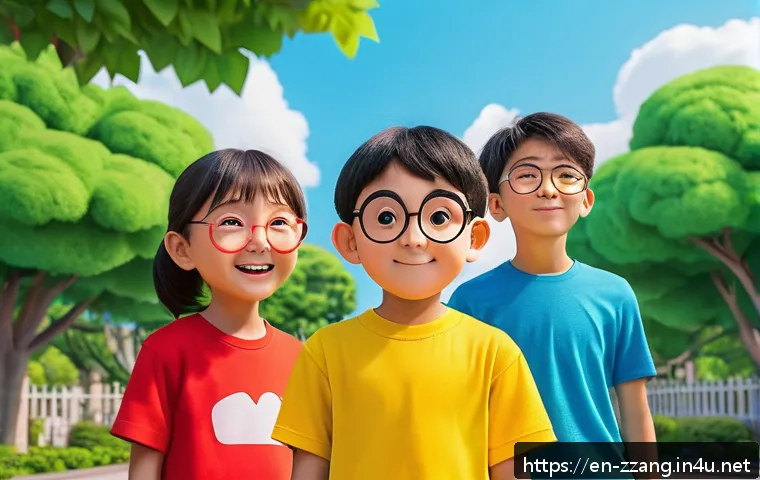
Shin Chan’s friends aren’t just side characters; they each bring a distinct flavor that enriches the stories. Whether it’s the shy yet dependable Masao, the mischievous Nene, or the bold Bo-chan, the diversity in their personalities creates a vibrant social mix that mirrors real childhood friendships.
The way these characters interact—sometimes clashing, sometimes supporting—feels incredibly authentic. It’s like watching a snapshot of any group of kids you might have grown up with, each with their quirks and insecurities but bound by genuine camaraderie.
Lessons Hidden in Their Everyday Adventures
Beneath the humor and chaos of their escapades, there are subtle life lessons about loyalty, empathy, and growing up. For example, when the group faces challenges, whether it’s a small misunderstanding or a bigger problem, their teamwork and forgiveness shine through.
This balance between comedy and meaningful moments is what makes their friendship stories resonate with viewers of all ages. From my experience sharing Shin Chan episodes with friends, these themes often spark conversations about our own childhood bonds and the value of sticking together despite differences.
The Power of Childhood Imagination in Their Play
One of the most charming aspects of Shin Chan and his friends is how their playtime blurs the lines between reality and imagination. Their make-believe games often lead to hilarious scenarios but also showcase the boundless creativity that children possess.
Watching them invent elaborate stories or mimic adult behaviors in exaggerated ways is both entertaining and a reminder of how important imaginative play is for development.
It’s something that resonated with me personally, recalling how childhood creativity shaped many of my own friendships and memories.
Adults in Shin Chan’s World: A Mix of Comedy and Realism
Parents and Teachers: Balancing Authority and Humor
The adults surrounding Shin Chan often serve as the straight-laced counterparts to his wild antics, creating a perfect comedic tension. His parents, particularly his father, are depicted with a mix of exasperation and affection, which feels true to many family experiences.
Teachers and neighbors also add layers of social dynamics, sometimes acting as disciplinarians and other times as participants in the chaos. Their reactions range from frustration to warmth, showcasing a realistic spectrum of adult responses to children’s unpredictable behavior.
How Adult Characters Reflect Social Expectations
The adult figures in Shin Chan’s universe often embody societal norms and expectations, sometimes exaggerated for humor but still recognizable. This contrast between the rigid adult world and the free-spirited children highlights the tension many viewers experience in their own lives.
For instance, Shin Chan’s father’s struggle with work stress and family responsibility feels like a nod to real-world pressures, while his mother’s attempts to manage the household add relatable domestic challenges.
These portrayals give the show depth beyond slapstick comedy, inviting viewers to see themselves in both the child and adult perspectives.
Unexpected Moments of Warmth and Insight
Despite the frequent comedic clashes, there are touching moments where adults show genuine care and understanding toward Shin Chan and his friends. These glimpses of warmth add emotional weight to the stories, reminding us that behind the humor lies a foundation of love and patience.
Such scenes often stand out because they break the pattern of chaos, offering a pause for reflection. From personal observation, these moments are what keep viewers emotionally connected, making the characters feel like extended family rather than just cartoon figures.
Humor That Transcends Language and Culture
Universal Appeal of Shin Chan’s Comedy
One of the reasons Shin Chan has such a global fanbase is the universal nature of its humor. The jokes often rely on physical comedy, facial expressions, and situations that don’t require deep cultural knowledge to appreciate.
This accessibility allows viewers from different countries to enjoy the show without losing the essence of the humor. Having introduced the show to friends from various backgrounds, I noticed how everyone could relate to Shin Chan’s antics in their own way, proving the power of simple, well-crafted comedy.
Subtle Satire and Social Commentary
Beyond slapstick, Shin Chan cleverly sneaks in social commentary that resonates with adults. The show pokes fun at bureaucracy, consumerism, and even parenting styles, often through exaggerated scenarios.
This layered humor makes it enjoyable for older audiences who pick up on these subtleties, adding depth to what might otherwise be seen as just a children’s cartoon.
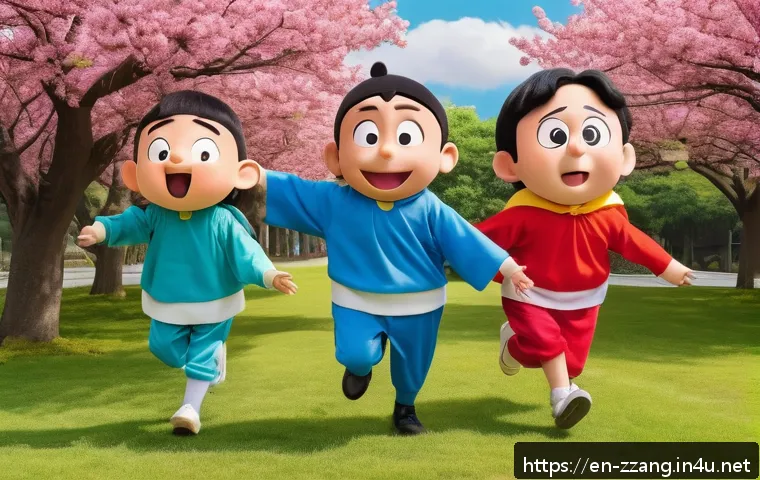
It’s like discovering a hidden gem each time you catch a joke that speaks to real-life absurdities, which I personally find refreshing and intellectually stimulating.
How Timing and Delivery Enhance the Laughs
The comedic timing in Shin Chan is nothing short of masterful. Whether it’s a perfectly timed punchline or a delayed reaction, the show knows exactly how to build up and release tension for maximum laughter.
This skillful delivery keeps the audience engaged and eager for what’s next. From watching multiple episodes, I’ve realized that the voice actors’ performances play a huge role in bringing the humor to life, with their expressive tones and pauses adding layers to the jokes that might get lost on paper.
Exploring the Visual Style and Animation Techniques
Simple Yet Expressive Character Designs
Shin Chan’s animation style is deceptively simple but incredibly effective. The characters’ exaggerated features and minimalistic details make their expressions pop, conveying emotions vividly without overcomplicating the visuals.
This simplicity also allows for fluid and dynamic movements, which are essential for the physical comedy that defines the series. I remember being struck by how a few lines and colors could communicate so much personality, making the characters instantly recognizable and memorable.
Use of Color and Backgrounds to Set the Mood
The show’s color palette and background art subtly support the storytelling by setting moods and emphasizing scenes. Bright, warm colors dominate the everyday settings, creating a cheerful atmosphere that contrasts with the occasional chaotic moments.
Backgrounds are often simple but detailed enough to provide context without distracting from the characters. This balance helps maintain focus on the action while enriching the viewing experience, something I always appreciate in animation.
Innovative Animation Techniques for Comedic Effect
Shin Chan employs a variety of animation tricks to heighten the comedic impact. Techniques like exaggerated facial distortions, sudden zoom-ins, and freeze frames are used to emphasize punchlines and reactions.
These choices enhance the timing and make the humor more visceral. From an animation enthusiast’s perspective, it’s fascinating how these stylistic decisions contribute to the show’s unique identity, showing that even a seemingly straightforward style can be packed with creative ingenuity.
Character Growth and Emotional Moments Amid the Laughter
Subtle Development in Shin Chan’s Personality
Although Shin Chan is primarily a comedy, the series doesn’t shy away from showing glimpses of his growth. Over time, viewers witness moments where he displays empathy, responsibility, or even vulnerability, adding layers to his character.
These instances are often brief but powerful, reminding us that beneath the humor lies a real child experiencing the ups and downs of growing up. Personally, seeing these softer sides made me appreciate the character beyond just his jokes and pranks.
Friendship Challenges and Resolutions
The friendships in Shin Chan’s world aren’t perfect; conflicts arise naturally and are handled in ways that reflect real childhood interactions. Disagreements, jealousy, and misunderstandings occur, but the characters usually find ways to resolve them, often learning important lessons along the way.
These story arcs add emotional depth and make the friendships feel authentic. Watching these resolutions unfold reminded me of my own childhood squabbles and how they helped shape my understanding of relationships.
Balancing Humor with Heartfelt Storytelling
What makes Shin Chan truly special is its ability to blend side-splitting humor with touching storytelling. The show can switch from a ridiculous gag to a heartfelt moment seamlessly, keeping viewers emotionally invested.
This balance is a testament to the creators’ understanding of their audience’s emotional range. From my perspective, this interplay is what elevates the series, making it more than just a source of laughter but also a reflection on the complexities of childhood and family life.
| Character | Personality Traits | Role in the Story | Memorable Quirk |
|---|---|---|---|
| Shin Chan | Mischievous, Curious, Honest | Main protagonist, source of comedy | Unpredictable dance moves |
| Masao | Shy, Sensitive, Loyal | Friend who often gets nervous | Timid voice and blushing |
| Nene | Bossy, Outspoken, Caring | Group’s spirited girl | Commanding tone and teasing |
| Bo-chan | Quiet, Slow, Thoughtful | Unique friend with simple outlook | Slow speech and blank expressions |
| Hiroshi (Dad) | Hardworking, Stressed, Affectionate | Shin Chan’s father, family anchor | Exasperated sighs and sarcasm |
| Misae (Mom) | Strict, Loving, Practical | Shin Chan’s mother, disciplinarian | Quick temper and worry |
In Conclusion
Shin Chan’s unique blend of humor, heart, and relatable characters creates a timeless appeal that resonates across generations. His mischievous spirit reminds us to embrace curiosity and laughter in everyday life. Beyond the comedy, the show thoughtfully explores friendship, family dynamics, and childhood growth. It’s this balance that makes Shin Chan not just entertaining, but genuinely meaningful.
Useful Information to Keep in Mind
1. Shin Chan’s humor relies heavily on physical comedy and expressive animation, making it accessible worldwide regardless of language barriers.
2. The show cleverly incorporates subtle social critiques, offering an additional layer of enjoyment for adult viewers.
3. The diverse personalities within Shin Chan’s friend group provide authentic depictions of childhood relationships and challenges.
4. Adult characters reflect real-life social pressures, balancing authority with warmth and humor.
5. The animation style’s simplicity enhances character expressions and comedic timing, contributing to the series’ distinct charm.
Key Takeaways
Shin Chan’s enduring popularity stems from its ability to mix laughter with genuine emotional moments, making the characters feel like part of the viewer’s own life. The show’s success lies in portraying childhood with honesty and humor, while also capturing the complexities of family and friendship. Its universal themes and clever storytelling ensure it remains relevant and beloved across cultures and ages.
Frequently Asked Questions (FAQ) 📖
Q: uestions about Shin Chan and FriendsQ1: What makes Shin Chan such a beloved character across different age groups?
A: Shin Chan’s charm lies in his mischievous yet innocent personality that resonates with both kids and adults. His candid, often cheeky behavior reflects a child’s unfiltered view of the world, which is both hilarious and relatable.
From my own experience watching the show, it’s this blend of humor and honesty that keeps viewers coming back, as it reminds us of the simple joys and awkward moments of growing up.
Q: How do the supporting characters contribute to the overall appeal of the series?
A: Each supporting character brings a unique flavor to the show, enriching the storyline with diverse personalities and quirky interactions. For example, Shin Chan’s friends often highlight different aspects of childhood friendship — loyalty, rivalry, and innocent mischief.
The adults, meanwhile, add layers of humor through their exaggerated reactions and everyday struggles, making the series a well-rounded reflection of family and social life.
Q: Why does Shin Chan remain relevant in today’s pop culture landscape?
A: Shin Chan’s continued relevance stems from its timeless themes and honest portrayal of childhood. Unlike many shows that rely on flashy effects or trends, Shin Chan focuses on universal experiences like friendship, family dynamics, and the humor in everyday life.
In my observation, this grounded approach appeals to new generations while invoking nostalgia for longtime fans, creating a lasting bond that keeps the series fresh and engaging.