In today’s fast-paced world, finding ways to connect with different cultures can be both fun and enlightening. One unexpected yet delightful gateway into Japanese traditions is through the quirky and hilarious world of Crayon Shin-chan.
This beloved animated series doesn’t just entertain—it cleverly weaves in cultural nuances that offer a fresh perspective on Japan’s customs and daily life.
Whether you’re a longtime fan or new to the show, exploring Shin-chan’s adventures can reveal surprising insights into a culture rich with history and humor.
Stick around as we dive into how this playful character unlocks the charm of Japanese traditions in the most entertaining way possible.
Everyday Humor as a Mirror of Japanese Society
How Shin-chan Reflects Family Dynamics
Crayon Shin-chan offers a hilarious yet insightful look at typical Japanese family life. Watching Shin-chan’s cheeky interactions with his parents and sister reveals a lot about the roles and expectations within a modern Japanese household.
For example, his mother, Misae, often embodies the hardworking, no-nonsense mom juggling chores and discipline, while his father, Hiroshi, represents the traditional salaryman who’s both loving and a bit overwhelmed.
These exaggerated but relatable portrayals provide a window into the balance between tradition and modernity in Japanese family culture.
Social Etiquette and Everyday Situations
One of the most entertaining aspects of Shin-chan is how it highlights Japanese social norms through everyday situations. Whether it’s bowing etiquette, gift-giving customs, or the subtle communication styles used in public, the show sneaks these elements into its storylines with humor.
Watching Shin-chan’s mischievous behavior often leads to exaggerated reactions that emphasize how important politeness and social harmony are in Japan.
It’s a fun way to learn about the unspoken rules that govern daily life without feeling like a textbook.
School Life and Peer Relationships
The school scenes in Crayon Shin-chan provide a peek into the Japanese education system and childhood friendships. Shin-chan’s antics in class, with teachers, and among friends reveal the pressures and expectations faced by students, such as respecting authority and group conformity.
Yet, the show also celebrates the playful side of childhood, showing how kids bond and navigate social challenges. This blend of seriousness and silliness offers a balanced glimpse into the experiences of Japanese children.
Traditional Festivals and Seasonal Celebrations Through Shin-chan’s Eyes
Spotlight on Japanese Festivals
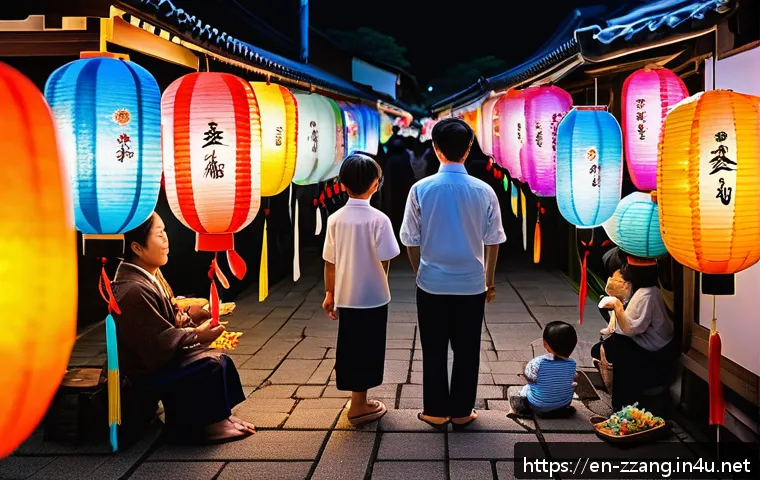
Shin-chan episodes often feature traditional festivals, from cherry blossom viewing (hanami) to summer fireworks (hanabi). These segments don’t just serve as colorful backdrops but introduce viewers to the cultural significance behind these events.
For instance, the hanami scenes portray families gathering under blooming cherry trees, symbolizing the fleeting beauty of life—a deeply cherished concept in Japan.
By showing Shin-chan’s playful participation, the series makes these cultural moments accessible and relatable.
Seasonal Foods and Customs
Food is a huge part of Japanese celebrations, and Shin-chan’s adventures often include trying seasonal treats. Whether it’s munching on mochi during New Year’s or enjoying kakigōri (shaved ice) in summer, these scenes showcase the intimate connection between food and tradition.
They highlight how seasonal ingredients and dishes are not only about taste but also about marking time and honoring customs. Through Shin-chan’s curious palate and occasional food mishaps, viewers get a tasty introduction to Japan’s culinary culture.
Family Bonding in Celebrations
The show also emphasizes how festivals and holidays strengthen family bonds. Shin-chan’s family often comes together to prepare for celebrations, sharing laughter and sometimes chaos.
These moments reflect the communal spirit that is central to Japanese festivals, where the focus is on togetherness as much as on rituals. Watching these interactions reminds viewers that beneath the humor, there’s a deep appreciation for family and tradition woven into everyday life.
Language Play and Cultural Nuances in Dialogue
Understanding Japanese Humor Through Shin-chan’s Wordplay
One of the most charming aspects of Crayon Shin-chan is its use of language-based humor, which is deeply rooted in Japanese culture. The show frequently employs puns, double entendres, and playful mispronunciations that make the dialogue rich with layers of meaning.
This linguistic creativity reflects the Japanese love for wordplay and subtlety, offering a glimpse into how humor is constructed in daily conversations.
For learners of Japanese, these moments are both challenging and rewarding to decode.
Non-Verbal Communication and Body Language
Beyond words, Shin-chan’s exaggerated facial expressions and gestures are a treasure trove of cultural clues. Japanese communication relies heavily on non-verbal cues, and the show cleverly amplifies these to convey meaning and emotion.
For example, Shin-chan’s signature cheeky grin or sudden tantrums exaggerate reactions common in Japanese social settings, making the cultural context more vivid and engaging.
This visual storytelling helps viewers appreciate the nuance behind everyday interactions.
Regional Dialects and Cultural Identity
Occasionally, the series introduces characters speaking in various Japanese dialects, highlighting regional diversity within the country. These dialects carry unique cultural identities and sometimes humor that is specific to particular areas.
Shin-chan’s encounters with these characters subtly educate viewers about Japan’s linguistic variety and how it shapes local customs and attitudes. This adds depth to the cultural exploration and showcases Japan’s rich regional tapestry.
Modern Life Challenges Reflected in a Child’s Perspective
Urban Living and Its Quirks
Set in a suburban area, Shin-chan’s world mirrors the realities of urban life in Japan. From crowded trains to small apartments, the show often touches on the challenges and peculiarities of living in a densely populated environment.
Shin-chan’s mischievous adventures sometimes arise from these settings, giving a humorous yet authentic look at daily urban struggles. For example, the way neighbors interact or the importance of noise consideration highlight social priorities in city life.
Technology and Family Interaction
The series also subtly comments on the influence of technology on family dynamics. While Shin-chan’s parents juggle work and home life, gadgets and devices occasionally appear as part of their routines.
This inclusion reflects the integration of technology in modern Japanese households and its impact on communication and leisure. Watching how technology fits into their lives provides a contemporary cultural snapshot that resonates with today’s global audience.
Work Culture and Its Ripple Effects
Though centered on a child, Crayon Shin-chan doesn’t shy away from depicting aspects of Japan’s demanding work culture through the parents’ characters.
Hiroshi’s long hours and stress show the pressures many workers face, while Misae’s multitasking highlights the expectations placed on women balancing career and home.
These portrayals offer a subtle critique and humanize the work-life balance struggles common in Japan, making the show relevant beyond its comedic surface.
Iconic Food Items and Their Cultural Stories
Shin-chan’s Favorite Snacks as Cultural Symbols
Throughout the series, Shin-chan’s love for certain snacks like choco cornets and pudding isn’t just for laughs; it also introduces viewers to popular Japanese treats with cultural significance.
These snacks often evoke nostalgia and represent comfort food for many Japanese families. The show’s attention to detail in food choice reflects broader cultural values around sharing and enjoying simple pleasures together.
Traditional vs. Modern Culinary Influences
Shin-chan’s food adventures sometimes contrast traditional Japanese dishes with Western-influenced snacks, mirroring Japan’s culinary evolution. This tension between old and new reflects real societal changes where convenience foods coexist with time-honored recipes.
By experiencing Shin-chan’s preferences and mishaps, viewers get a playful yet informative look at how food culture adapts and thrives in Japan.
Food Etiquette and Social Messages
The series occasionally touches on food-related manners, such as slurping noodles or sharing meals, which carry social and cultural meaning. Shin-chan’s sometimes inappropriate behavior around food humorously underscores the importance of etiquette in Japanese dining.
These moments educate viewers on respectful dining practices while keeping the tone light and entertaining.
Visual Symbols and Their Cultural Significance
Iconic Objects and Their Meanings
Crayon Shin-chan frequently features everyday objects that hold deeper cultural meanings, like the bento box, tatami mats, or the futon. These items are more than background props; they symbolize tradition, lifestyle, and values deeply embedded in Japanese culture.
For example, the careful preparation of a bento reflects care and attention, a key aspect of Japanese social interactions. Observing how Shin-chan interacts with these objects reveals subtle cultural messages.
Color Symbolism and Seasonal Changes
The show also uses color and scenery to reflect Japanese aesthetic principles and seasonal shifts. Whether it’s the vibrant reds of autumn leaves or the soft pastels of spring, these visual cues connect viewers to the cultural importance of nature’s cycles.
Shin-chan’s outdoor antics often take place against these backdrops, enhancing the storytelling with a layer of cultural appreciation.
Clothing and Fashion as Cultural Markers
Characters’ attire in the series ranges from traditional kimono during festivals to casual everyday wear, showcasing the diversity of Japanese fashion.
Shin-chan’s family and friends dress according to occasion and season, reflecting societal norms and personal identity. These clothing choices provide clues about social status, tradition, and changing trends, enriching the cultural tapestry portrayed in the show.
Summary Table: Cultural Elements in Crayon Shin-chan
| Cultural Aspect | Shin-chan’s Representation | Significance |
|---|---|---|
| Family Roles | Misae as hardworking mom, Hiroshi as salaryman | Highlights modern Japanese family dynamics and gender roles |
| Festivals | Hanami, Hanabi scenes | Shows seasonal celebrations and communal bonding |
| Language | Puns, dialects, non-verbal cues | Demonstrates humor and communication styles unique to Japan |
| Urban Life | Apartment living, crowded trains | Reflects challenges and etiquette in Japanese cities |
| Food Culture | Favorite snacks, traditional dishes | Connects food with comfort, tradition, and social manners |
| Work and Lifestyle | Parents’ work stress, technology use | Provides insight into work-life balance and modern family issues |
| Visual Symbols | Bento boxes, seasonal colors, clothing | Expresses cultural values and aesthetic appreciation |
In Conclusion
Crayon Shin-chan offers more than just laughs; it’s a charming reflection of Japanese culture through the eyes of a playful child. The series blends humor with insightful glimpses into family life, social customs, and everyday challenges. Its unique portrayal invites viewers to appreciate the rich traditions and modern realities that shape Japan today. Watching Shin-chan is both entertaining and educational, making cultural learning accessible and fun.
Helpful Information to Keep in Mind
1. Crayon Shin-chan cleverly uses humor to reveal the nuances of Japanese family roles and societal expectations.
2. The show highlights important cultural events and seasonal traditions, making them relatable through everyday experiences.
3. Language play and non-verbal cues in the series provide valuable insights into Japanese communication styles.
4. Urban living challenges and technology’s role are subtly woven into the story, reflecting contemporary life in Japan.
5. Food and visual symbols in Shin-chan deepen the understanding of Japan’s cultural values and aesthetics.
Key Takeaways
Crayon Shin-chan acts as a cultural lens that combines humor with authentic depictions of Japanese life. It balances tradition with modernity, offering viewers a well-rounded perspective on family dynamics, social etiquette, and everyday challenges. The show’s playful approach makes complex cultural concepts approachable, while its attention to detail highlights the beauty and depth of Japanese society. This makes it a valuable resource for anyone interested in understanding Japan beyond surface-level stereotypes.
Frequently Asked Questions (FAQ) 📖
Q: How does Crayon Shin-chan reflect Japanese culture beyond just humor?
A: Crayon Shin-chan goes beyond simple comedy by embedding everyday Japanese life and cultural quirks into its storylines. From typical family dynamics to school life, local festivals, and social etiquette, the show offers a window into what daily routines and interactions look like in Japan.
Watching Shin-chan’s antics helps viewers appreciate subtle cultural details, like the importance of politeness, traditional celebrations, and even food customs, all wrapped in lighthearted humor that feels genuine rather than stereotypical.
Q: Can someone unfamiliar with Japanese culture understand and enjoy Crayon Shin-chan?
A: Absolutely! Even if you’re new to Japan’s culture, Crayon Shin-chan’s humor is universal enough to be entertaining on its own. However, the more you learn about the cultural references sprinkled throughout the episodes, the richer the experience becomes.
The show is great for beginners because it presents cultural elements in a very approachable and funny way, making it easier to connect with traditions without feeling overwhelmed or lost in translation.
Q: What makes Crayon Shin-chan a good starting point for exploring Japanese traditions?
A: What sets Crayon Shin-chan apart is its playful yet authentic portrayal of Japanese life through the eyes of a mischievous kid. The show doesn’t take itself too seriously, which makes learning about customs feel effortless and fun.
Plus, the character-driven storytelling creates memorable scenarios that stick with you, helping cultural concepts resonate more deeply than a textbook ever could.
For anyone curious about Japan, Shin-chan offers a lighthearted introduction that’s both educational and wildly entertaining.