We all love Shin-chan for his hilarious antics, right? But seriously, how often do we stop and truly appreciate the man who makes it all possible, even with his… shall we say, “distinct” aroma?
I’m talking about Hiroshi Nohara, Shin-chan’s one-of-a-kind dad! When I first started watching *Crayon Shin-chan*, I just saw him as the typical, slightly bumbling cartoon father.
But as I’ve grown up and navigated the real world, I’ve realized there’s so much more to his character – a surprising depth that many animated dads surprisingly lack.
We often joke about his “salaryman” life, but have you ever really considered the ins and outs of his job, the challenges he faces, and the background that shaped him into such a relatable figure?
He’s a 35-year-old office worker at Futaba Corporation, the main earner of the Nohara family, and he often struggles with corporate pressures while balancing his home life.
He’s a stereotypical Japanese salaryman, working long hours, enduring crowded trains, and giving his entire paycheck to his wife. Yet, despite all this, he’s seen as a hardworking, devoted husband and a caring father, often praised for his wisdom and commitment to his family.
In an era where even fictional characters spark debates about work-life balance and financial realities, Hiroshi’s story offers surprisingly insightful, and often comedic, parallels to our own lives.
So, let’s stop guessing and get the real scoop on Hiroshi’s fascinating journey.
I remember distinctly when I first started watching *Crayon Shin-chan*, I just saw Hiroshi as the goofy dad, perpetually tired and often the butt of the joke.
But as I’ve navigated the adult world, dealing with my own deadlines, budgets, and the never-ending quest for a decent work-life balance, I’ve come to realize that Hiroshi Nohara is less a caricature and more a reflection of many of us.
He embodies a resilience and a quiet strength that often goes unnoticed amidst the chaos of his family and the comedic situations he finds himself in.
He’s that unsung hero, the kind of guy who just keeps showing up, day after day, for the people he loves. It’s a powerful lesson in commitment and perseverance, subtly woven into a children’s anime.
The Unsung Hero of the Corporate Jungle
Battling the Daily Commute
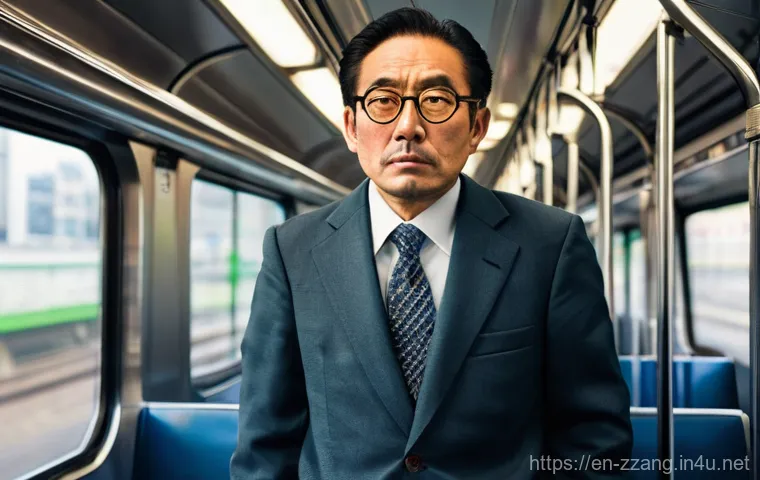
There’s a universal struggle that transcends cultures and continents: the daily grind of commuting. For Hiroshi, this isn’t just a simple drive; it’s an epic journey through crowded trains, often starting before dawn and ending long after the sun has set.
I’ve had my fair share of packed subways, standing nose-to-armpit with strangers, barely able to breathe, and let me tell you, it’s soul-crushing. Imagine doing that five days a week, knowing you’re heading into a demanding job, only to reverse the process at the end of a long, exhausting day.
It’s a testament to his sheer willpower, really. You see him often dozing off on the train, or dreaming of a quiet moment, and it’s so incredibly relatable.
This isn’t just about getting from point A to point B; it’s about the mental and physical toll it takes, and yet, he endures it all without much complaint, because he knows it’s what he needs to do for his family.
He’s not seeking glory; he’s just putting in the work, day in and day out, like countless others around the globe. This quiet persistence, the way he just keeps pushing forward despite the daily discomfort, is what truly makes him a hero in his own right, even if it’s just in the eyes of his cartoon family and millions of viewers.
Navigating Office Politics with a Smile
Corporate life is rarely a walk in the park, and Hiroshi’s job at Futaba Corporation is no exception. While *Crayon Shin-chan* doesn’t often delve deep into the intricacies of his work, we get glimpses of him dealing with demanding clients, overbearing superiors, and the general pressures of a typical “salaryman.” I’ve been in situations where you just have to smile and nod, even when you’re seething inside, and Hiroshi perfectly captures that often-painful reality.
He’s not a cutthroat executive; he’s a middle manager, trying to keep things afloat, often caught between different factions or trying to appease various personalities.
He navigates these waters with a surprising amount of grace and a perpetually optimistic, albeit sometimes weary, demeanor. It’s a skill, really, to be able to maintain your composure and your humanity in an environment that can often feel dehumanizing.
He shows us that even in the face of corporate absurdity, you can still hold onto your values and your sense of humor, even if it means dreaming of that first cold beer after clocking out.
His journey through the corporate world, while often played for laughs, is a surprisingly authentic portrayal of the daily challenges many face, and his resilience is genuinely inspiring.
Mastering the Art of Budgeting (and Failing Hilariously)
The Perpetual Quest for a Raise
Ah, the universal dream: a bigger paycheck. For Hiroshi, this isn’t just about personal gain; it’s about providing for his family, ensuring his kids have what they need, and maybe, just maybe, affording a new golf club or a fancy dinner out with Misae.
We see him dreaming of promotions, fantasizing about bonuses, and enduring long hours in the hope that his efforts will eventually translate into a fatter wallet.
It’s a feeling I know all too well – that constant push to do more, to prove your worth, all with an eye on the bottom line. He’s always trying to find ways to stretch their budget, even if it means resorting to hilarious schemes or being outsmarted by Misae’s uncanny ability to sniff out any extra cash.
This ongoing struggle for financial stability is incredibly relatable, especially in today’s economic climate. It’s a reminder that even our favorite cartoon characters grapple with the same monetary pressures as we do, adding a layer of authenticity to his often-comedic existence.
Stretching Every Yen: A Household Budget Breakdown
If there’s one thing Hiroshi and Misae are experts at, it’s navigating a tight budget, even if it often ends in comedic squabbles. Misae is the family’s chief financial officer, often holding the purse strings incredibly tightly, much to Hiroshi’s chagrin.
I’ve seen my own parents do similar things, trying to make every dollar count, and it’s a constant balancing act. They haggle for discounts, reuse household items, and prioritize necessities over luxuries.
It’s a realistic depiction of what countless families go through, trying to maintain a comfortable life on a single income, especially in an expensive urban environment.
While the show often exaggerates their financial woes for comedic effect, the underlying message about the importance of mindful spending and prioritizing family needs is incredibly strong.
It shows that even with limited resources, a loving home can thrive.
| Category | Typical Monthly Allocation (Illustrative) | Hiroshi’s Struggle/Reality |
|---|---|---|
| Housing (Mortgage/Rent) | High, often a significant portion | Major expense, often a source of stress. He’s always working hard to keep a roof over their heads. |
| Food & Groceries | Moderate to High, depending on family size | Misae is a thrifty shopper, but Shin-chan’s demands (and Hiroshi’s secret snacks) add up! |
| Utilities (Electricity, Water, Gas) | Standard, but can fluctuate | Trying to conserve energy, but kids are kids! |
| Transportation (Commute) | Significant for a salaryman | Daily train fares, wear and tear on his only suit. |
| Entertainment/Leisure | Minimal, often a luxury | His beer, a round of golf, or a new toy for Shin-chan are often carefully considered “splurges.” |
| Miscellaneous/Emergencies | Variable, always a surprise | Unexpected repairs, medical bills, or Shin-chan’s latest antics can quickly deplete savings. |
Family Man First, Salaryman Second
The Delicate Balance of Work and Home
It’s an age-old dilemma: how do you give your all at work while still being fully present for your family? Hiroshi Nohara, despite his “salaryman” title, often puts his family first, even if it means sacrificing his own comfort or career advancement.
I’ve personally struggled with this, feeling the pull between professional obligations and the desire to be home for bedtime stories or weekend adventures.
He might come home exhausted, but he still engages with Shin-chan’s antics, listens to Misae’s daily updates, and tries his best to be a supportive husband and father.
It’s not always glamorous, and he often makes mistakes, but his heart is always in the right place. This dedication, this unwavering commitment to his family’s well-being, is what truly defines him.
He might complain about work, but he never truly resents his role as the family’s provider, understanding the immense responsibility that comes with it.
It’s a powerful message about priorities and the real meaning of success, which often isn’t measured in promotions or bonuses, but in the love and happiness within your home.
Showing Up When It Matters Most
Even when he’s utterly drained from work, Hiroshi always manages to show up for his family when it truly counts. Whether it’s a school event for Shin-chan, a family outing, or just being there to offer a comforting word to Misae, he prioritizes those moments.
I think we all strive to be that person for our loved ones, the one they can always rely on, and Hiroshi exemplifies this. He might grumble or be momentarily distracted, but when the chips are down, he’s there, often with a surprisingly insightful comment or a heartfelt gesture.
His presence, his willingness to engage and be a part of their lives, is a powerful antidote to the often impersonal nature of his professional life. It’s a beautiful illustration of how simply being present, truly present, can make all the difference to those who depend on you.
He teaches us that even the busiest among us can find time and energy for the people who matter most, and that these moments, however small, are often the most valuable.
The Understated Wisdom of a Seemingly Ordinary Dad
Life Lessons from Unexpected Places
You might not expect profound philosophical insights from a character often seen with a beer in hand and a distinct foot odor, but Hiroshi Nohara frequently drops surprisingly profound nuggets of wisdom.
I’ve found myself nodding along, thinking, “Wow, he actually just said something really smart!” These aren’t grand speeches; they’re often simple, grounded observations about life, work, or family, usually delivered in a straightforward, no-nonsense manner.
He’s seen a lot, experienced a lot, and his words carry the weight of real-world experience, not just textbook knowledge. He might teach Shin-chan a lesson about perseverance, gently guide Misae through a tough decision, or simply offer a comforting presence.
It’s a beautiful reminder that wisdom doesn’t always come from the most polished or outwardly impressive individuals; often, it comes from the quiet, hardworking people who live their lives with integrity and an open heart.
His wisdom isn’t about being intellectual; it’s about being human and understanding the complexities of life.
More Than Just a Bumbling Father
It’s easy to dismiss Hiroshi as merely a bumbling, easily exasperated father figure in a comedic anime. But to do so would be to miss the depth of his character entirely.
He’s far more than just a punchline. I’ve often seen him display incredible patience, profound empathy, and an unwavering moral compass. He might stumble, he might make mistakes, but he always tries to do the right thing.
His portrayal as a “regular” guy, with his flaws and his strengths, makes him incredibly relatable. He’s not perfect, and that’s precisely why he’s so endearing.
He reminds us that it’s okay not to have all the answers, to sometimes feel overwhelmed, and to occasionally make a fool of yourself. What truly matters is the effort you put in, the love you share, and the lessons you learn along the way.
His humanity, in all its messy glory, is what makes him such a compelling and enduring character, proving that even in animation, a deeply human touch can resonate profoundly with audiences.
Life’s Little Luxuries: Finding Joy in the Everyday
That First Beer After a Long Day
If there’s one consistent joy in Hiroshi’s life, it’s that first, perfectly chilled beer after a grueling day at work. I mean, who can’t relate to that?
That moment of pure, unadulterated bliss when you finally sit down, let out a sigh, and take that first sip. It’s not about extravagance; it’s about the simple, well-deserved pleasure that helps you reset and transition from the pressures of work to the comforts of home.
For Hiroshi, it’s often a ritual, a small reward for all his hard work, and a symbol of his brief moment of peace before the chaos of the Nohara household inevitably ensues.
This simple pleasure is a powerful reminder to all of us to appreciate the small things in life, those little moments of personal indulgence that can make a world of difference to our mental well-being.
It’s a touchstone of his character, showcasing his ability to find contentment in the mundane, and it’s something many of us understand on a deeply personal level.
Simple Pleasures, Deep Connections
Beyond his beloved beer, Hiroshi finds joy in an array of simple pleasures: a warm meal with his family, a good nap, an occasional round of golf (even if he’s not very good), or just watching his children play.
These aren’t grand, expensive adventures, but rather the quiet, everyday moments that weave the fabric of a truly fulfilling life. I’ve realized over the years that these are the moments that truly stick with you, the ones you remember and cherish.
He teaches us that happiness isn’t always found in material possessions or lavish experiences, but often in the deep, uncomplicated connections we share with our loved ones and the quiet contentment of being present.
His genuine appreciation for these simple joys, even amidst the backdrop of his stressful salaryman life and his chaotic family, is what makes his character so endearing and inspiring.
He truly understands that sometimes, the greatest treasures are found in the simplest of moments.
Beyond the Stench: A Deep Dive into Hiroshi’s True Appeal
Why We Root for the Underdog
Let’s be honest, Hiroshi isn’t your typical dashing hero. He’s got his flaws – the infamous foot odor, his occasional flirtations, and his sometimes-grumpy demeanor.
Yet, despite all this, millions of people worldwide root for him. Why? Because he’s the ultimate underdog.
He’s not perfect, he struggles, he often fails, but he never gives up. I think there’s something incredibly human about seeing someone try their best, even when the odds are stacked against them, and that’s Hiroshi in a nutshell.
We see ourselves in his struggles, his minor victories, and his unwavering dedication. His imperfections make him approachable and authentic, creating a powerful connection with the audience.
He embodies the spirit of perseverance that resonates with anyone who has ever faced an uphill battle, showing that true heroism often lies not in flawless victories, but in the courage to keep fighting, day after day, for what you believe in.
The Enduring Charm of Authenticity
In a world that often celebrates perfection and polished facades, Hiroshi Nohara’s enduring charm lies in his unapologetic authenticity. He is who he is, flaws and all, and he doesn’t try to be anyone else.
This genuine nature, combined with his deep love for his family and his honest struggles, makes him incredibly compelling. I’ve always been drawn to characters and people who are real, who aren’t afraid to show their vulnerabilities, and Hiroshi is the epitome of that.
He’s not a cardboard cutout; he’s a complex, multi-layered character who, despite the comedic context, feels incredibly real. His ability to evoke both laughter and genuine empathy is a testament to the power of authentic storytelling and character development.
He reminds us that being true to yourself, even with all your quirks and imperfections, is often the most powerful and endearing quality one can possess.
It’s this raw, human authenticity that cements his place not just as a beloved anime dad, but as a surprisingly insightful figure in popular culture.
Navigating Modern Parenthood with Timeless Values
The Evolution of a Father Figure
When *Crayon Shin-chan* first aired, the idea of a father like Hiroshi was probably quite typical for a Japanese salaryman – the breadwinner, often absent, and sometimes a bit detached.
However, as the series has progressed and societal norms have shifted, Hiroshi’s character has subtly evolved to reflect a more involved and emotionally present father figure, even if his methods are often unconventional.
I’ve seen this shift in real life too, where modern dads are expected to be more hands-on and emotionally available. Hiroshi, despite his occasional grumbling and desire for peace and quiet, consistently rises to the occasion, adapting to the ever-changing demands of parenthood.
He might not always get it right, but his continuous effort to connect with Shin-chan and Himawari, to teach them life lessons (sometimes inadvertently), showcases a timeless value of paternal commitment that transcends cultural boundaries.
It’s a nuanced portrayal of how even a seemingly traditional role can evolve with the times while holding onto core values of love and responsibility.
Instilling Values Amidst the Chaos
Despite the constant mayhem that is life with Shin-chan and Himawari, Hiroshi consistently tries to instill good values in his children. Whether it’s teaching them about perseverance, honesty, or the importance of family, his lessons are often subtle, woven into everyday interactions rather than explicit lectures.
I find this approach incredibly effective because it mimics how we learn most things in real life – through example and experience, not just through words.
He might scold Shin-chan for being naughty, but he also praises him for showing kindness. He emphasizes hard work and responsibility, even if he dreams of slacking off himself sometimes.
This dedication to nurturing his children’s moral compass, even when he’s tired or exasperated, highlights his depth as a character. It’s a powerful reminder that even amidst the most chaotic environments, parents can, and should, continuously strive to guide their children with a strong set of timeless values, proving that a little consistency goes a long way in shaping young minds.
글을 마치며
After delving into Hiroshi Nohara’s world, it’s clear he’s so much more than a cartoon dad. He’s a mirror reflecting our own daily battles, our quiet triumphs, and our unwavering love for the people who matter most.
His journey, filled with laughter and relatable struggles, offers a comforting reminder that heroism often lies in showing up, day after day, and embracing the beautiful messiness of life.
He truly embodies the spirit of an everyday hero, proving that even the simplest lives can hold the profoundest lessons.
알아두면 쓸모 있는 정보
1. If you’re fascinated by Hiroshi’s daily grind, you might want to dive deeper into the “salaryman” culture in Japan. It’s a fascinating, often challenging, aspect of Japanese corporate life that many media portrayals, including Shin-chan, touch upon. Understanding the expectations and pressures placed on these dedicated workers can give you a whole new appreciation for characters like Hiroshi. Exploring documentaries or articles on Japanese business culture can offer valuable context.
2. Struggling with work-life balance like Hiroshi? One of the best tips I’ve personally learned is to set firm boundaries. When you’re home, try to be present. That means putting away the work phone, engaging with your family, and truly disconnecting. It’s easier said than done, but those boundaries are crucial for mental well-being and for ensuring you have quality time with loved ones. Even a simple ritual, like Hiroshi’s beer, can signal the end of the work day and the start of family time.
3. For families trying to stretch every dollar, take a page from Misae’s book – meticulous budgeting is key! Track your expenses, identify areas where you can cut back, and don’t be afraid to hunt for deals. There are countless free apps and online resources today that can help you manage your household finances, set savings goals, and even plan for unexpected costs. Every little bit truly adds up, just like how the Nohara family manages to get by.
4. Curious why *Crayon Shin-chan* has such a global following? Beyond the slapstick humor, its enduring appeal lies in its relatable depiction of family life, universal struggles, and the innocence of childhood. Watching episodes, even without knowing Japanese, often brings a sense of familiar joy and understanding. It’s a great example of how authentic storytelling, even in animation, can transcend cultural barriers and connect with audiences worldwide.
5. Don’t forget to embrace life’s small luxuries, just like Hiroshi cherishes his after-work beer. Whether it’s a quiet cup of coffee, a few minutes with a good book, or simply enjoying a sunset, these seemingly insignificant moments are vital for recharging your spirit. Actively seeking and appreciating these small joys can significantly boost your overall happiness and help you navigate the stresses of everyday life. They are your personal reset button.
중요 사항 정리
So, what can we truly take away from the seemingly ordinary life of Hiroshi Nohara? First and foremost, his unwavering resilience in the face of relentless daily challenges is a powerful lesson. He reminds us that enduring the grind, whether it’s a soul-crushing commute or demanding work, is a form of quiet heroism many of us practice every day. Secondly, his consistent dedication to being a family man first, even when exhausted, highlights the timeless importance of prioritizing loved ones. It’s a beautiful testament to the idea that true success often isn’t measured in career milestones, but in the love and support within your home.
Furthermore, Hiroshi teaches us the profound value of finding joy in the everyday, whether it’s that first cold beer or a simple moment with his children. This ability to appreciate the small luxuries and connections is crucial for mental well-being in a fast-paced world. Finally, his unapologetic authenticity and relatability are perhaps his most endearing qualities. He’s imperfect, he makes mistakes, and he often stumbles, but he always tries his best. This genuine portrayal makes him a character we can all see a piece of ourselves in, reinforcing the idea that vulnerability and humanity are powerful strengths. He’s a reminder that even the most “ordinary” lives can be filled with extraordinary lessons and quiet triumphs.
Frequently Asked Questions (FAQ) 📖
Q: What’s the real lowdown on Hiroshi’s job at Futaba Corporation?
A: You know, it’s easy to think of Hiroshi as just “that dad who goes to work,” but when you actually stop and think about it, his job at Futaba Corporation is pretty central to the whole Nohara family dynamic.
He’s a section manager in the sales department, which sounds important, right? From what we glimpse in the show, his days are packed with typical office work, endless meetings, and probably a good amount of client entertainment.
I used to just gloss over those parts, but after experiencing the corporate world myself, I realize the pressure he’s under to meet sales targets and maintain client relationships is no joke.
He’s often seen staying late, enduring those dreaded crowded trains, and even dealing with difficult bosses like Kawaguchi. It’s not always the most exciting gig, but it’s a stable job that provides for his family, and you can tell he takes that responsibility seriously, even when he’s complaining about it!
He really is the unsung hero of the sales team, holding it all together.
Q: Everyone jokes about his salary. What’s the truth about Hiroshi’s finances and how does he manage?
A: Oh, the age-old salaryman question! While Crayon Shin-chan doesn’t give us exact figures in, say, US dollars (since he’s earning in Japanese Yen), it’s pretty clear that Hiroshi isn’t rolling in cash.
He’s the sole breadwinner, and his salary, while enough to keep the family afloat, isn’t enough for lavish spending. We constantly see Misae managing the household budget with an iron fist, and Hiroshi often laments his meager allowance or the cost of things like a new car or a night out.
I remember once he tried to sneak in a small indulgence, only for Misae to immediately find out – classic! It’s a super relatable portrayal of many middle-class families juggling expenses.
They’re not exactly struggling, but every yen counts, and he works incredibly hard for it. It really makes you appreciate his dedication when you see him pinching pennies, all while still trying to provide little extras for his family.
He truly embodies the grind of making ends meet with a smile… well, usually with a resigned sigh, but you get the picture!
Q: Beyond the jokes, how does Hiroshi really balance his demanding salaryman life with being such a devoted dad?
A: This is honestly where Hiroshi becomes more than just a funny cartoon dad for me; he becomes genuinely inspiring. Despite those brutal long hours, the exhausting commutes, and the constant stress of his sales job, he always makes time for his family.
You see him rushing home to play with Shin-chan, even when he’s dead tired, or trying his best to make family outings special, even if they sometimes go hilariously wrong.
Sure, he complains, and Shin-chan and Himawari often drive him up the wall, but his love and unwavering dedication are just so evident. He’s not a perfect father – let’s not forget those famously smelly feet!
– but he’s consistently present, both physically and emotionally. His surprising moments of wisdom and his commitment to being there for Misae, Shin-chan, and Himawari really highlight his character depth.
It reminds me a lot of my own dad, who always managed to show up for us, no matter how tough his workday was. That consistent, loving presence is what makes him such a beloved and truly devoted family man, despite all the typical salaryman struggles.